NAMKOO
 January 21, 2026
 216
216
Solar panels generate direct current (DC) electricity, while homes and commercial buildings operate on alternating current (AC). A solar inverter is the essential component that converts DC power into usable AC power. Choosing the right inverter impacts not only system cost, but also energy yield, performance under shading, monitoring capabilities, and future options such as battery backup.
This guide explains the main types of solar PV inverters and helps you understand which solution is best for residential, commercial, or industrial solar systems.
A string inverter is a centralized device that converts power from multiple solar panels connected in series. It is one of the most widely used inverter types due to its simple design and attractive pricing.
However, all panels in a string operate together. If one panel experiences shading, dust, or performance issues, the output of the entire string can be reduced. For rooftops with consistent sunlight and minimal shading, string inverters remain an efficient and reliable choice.
Best for
• Simple roof layouts
• Minimal shading
• Budget-focused installations
Considerations
• Shading on one panel can affect the entire string’s output
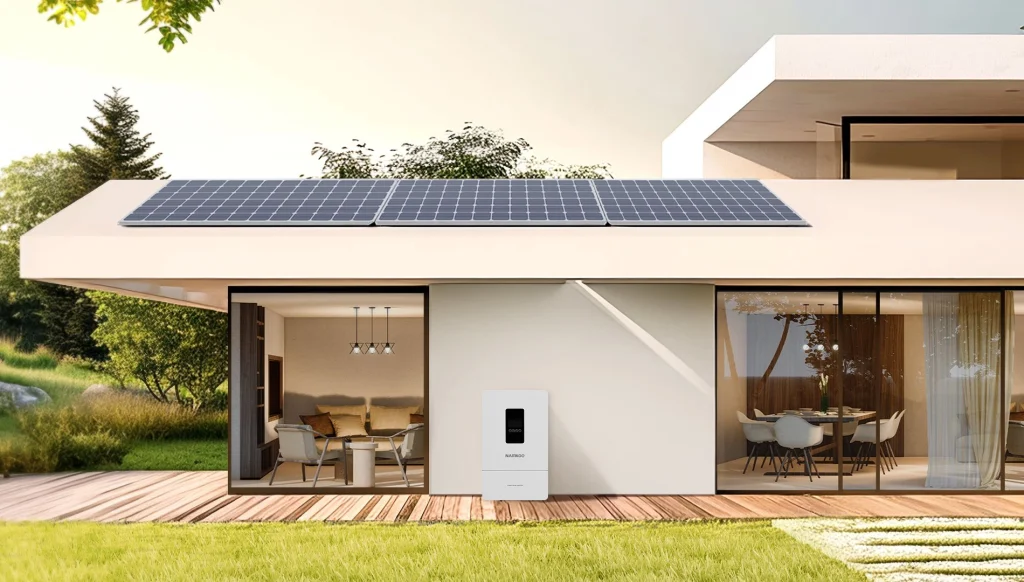
Microinverters are installed on each individual solar panel. Every panel converts DC to AC independently, which means shading on one panel does not significantly impact the rest of the system.
This design is especially useful for roofs with partial shading, multiple orientations, or complex layouts. Microinverters also support panel-level monitoring, making system diagnostics and maintenance easier.
Best for
• Partial shading
• Multiple roof angles
• Maximum energy harvest and detailed monitoring
Tradeoff
• Higher upfront cost compared to string inverters
Power optimizers combine the strengths of string inverters and microinverters. Each panel is equipped with an optimizer that improves DC performance before sending power to a centralized inverter for AC conversion.
This approach improves system efficiency under shading while maintaining a centralized inverter structure, offering a practical balance between performance and cost.
Best for
• Moderate shading
• Improved performance over basic string systems
• Panel-level optimization
Considerations
• Still relies on a central inverter
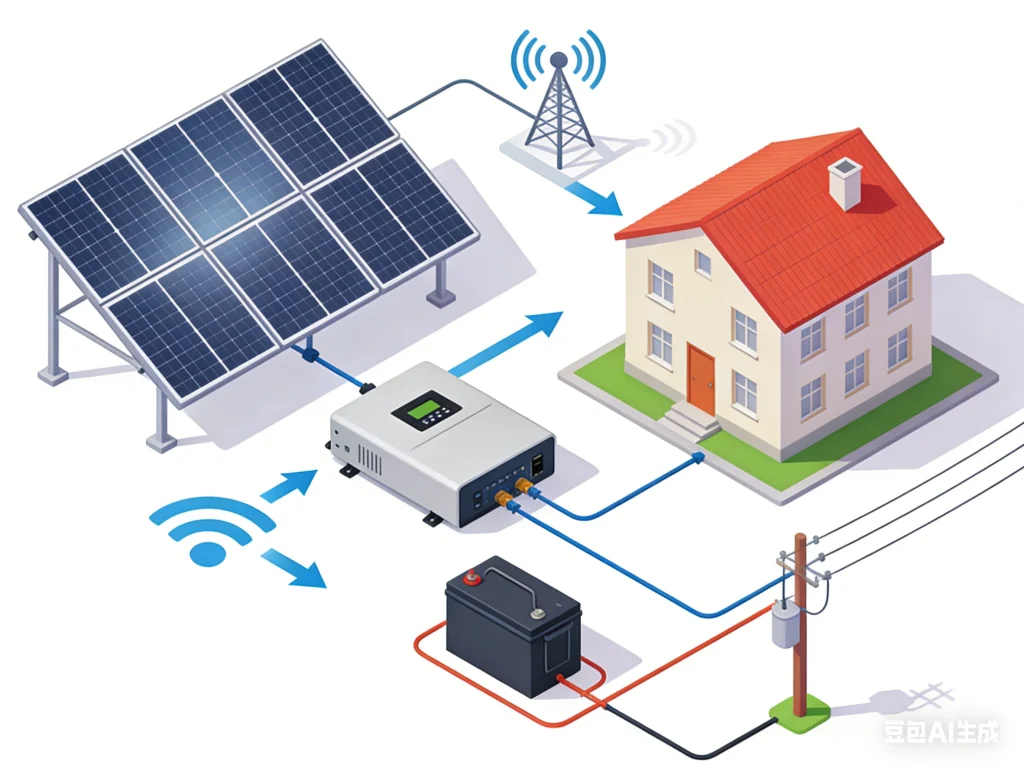
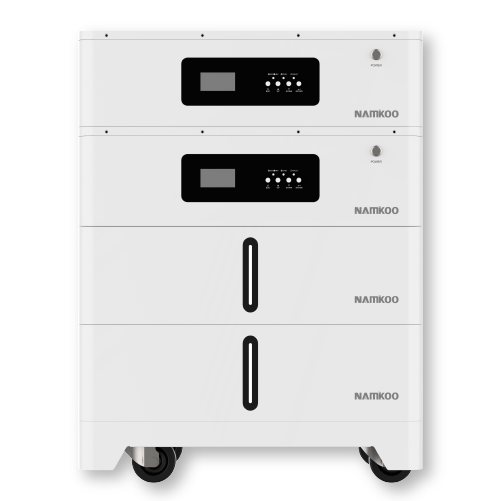
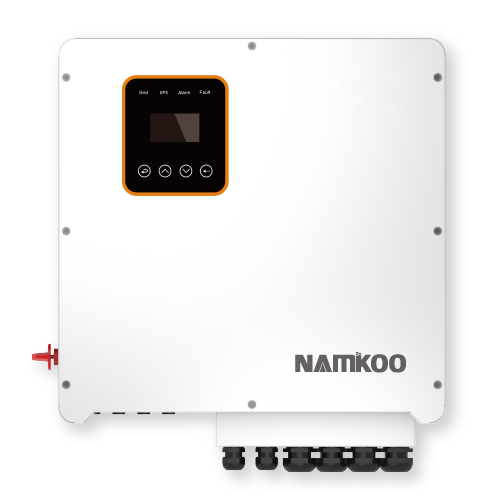
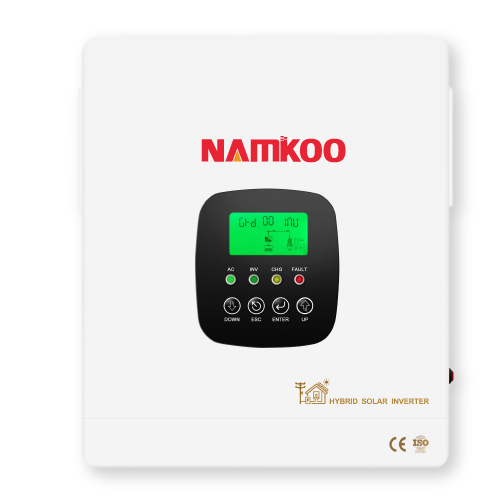
If backup power or future energy storage is part of your plan, a hybrid inverter is a smart choice. Hybrid inverters manage solar generation, grid interaction, household loads, and battery charging within a single system.
Even if batteries are not installed immediately, battery-ready hybrid inverters simplify future upgrades and help homeowners and businesses prepare for rising energy costs and grid instability.
Best for
• Battery backup
• Time-of-use energy optimization
• Long-term system flexibility
Considerations
• Higher system complexity compared to basic grid-tied inverters
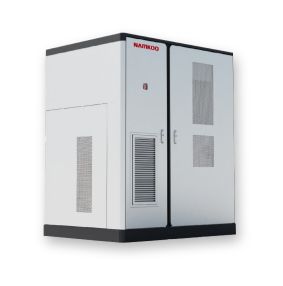
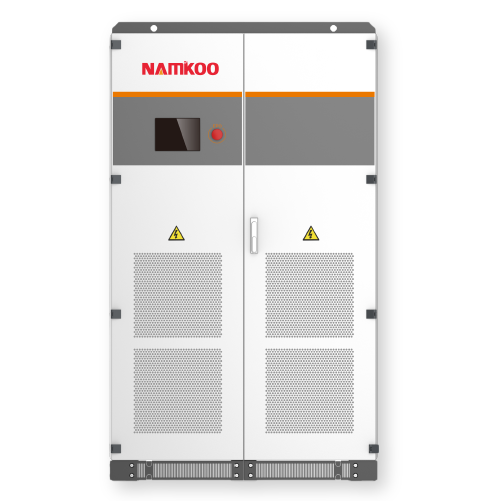
Commercial and industrial solar projects demand higher power capacity, stronger reliability, and advanced monitoring. This is where commercial solar inverters and commercial power converters play a vital role.
Namkoo offers a complete range of commercial inverter series and power converter solutions designed for demanding applications such as factories, shopping centers, data centers, and utility-scale projects. These systems are engineered for high efficiency, stable operation, and long service life.
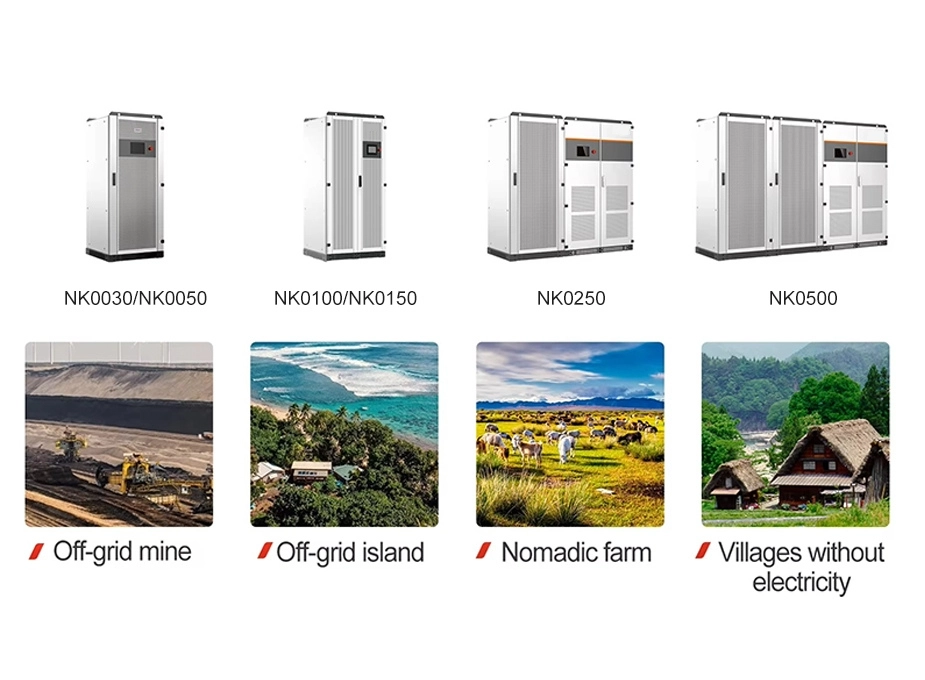
You can explore Namkoo’s full inverter portfolio here:
👉 https://www.namkoopower.com/product-category/solar-inverter/
Commercial inverters are designed to handle larger solar arrays and continuous high output. They typically include:
• Higher power ratings for large PV systems
• Multiple MPPT channels to manage different roof sections and string configurations
• Advanced monitoring and control for fleet-level operation
• Enhanced reliability and serviceability to maximize uptime
A 3-phase solar inverter delivers power compatible with common commercial electrical systems, such as 208V or 480V. Many commercial buildings rely on 3-phase power to operate HVAC systems, motors, and industrial equipment efficiently.
Key advantages
• Matches commercial electrical infrastructure
• Supports large and balanced loads
• Provides smoother and more stable power delivery
Commercial systems often use multiple commercial string inverters for flexibility and redundancy, or central inverters for large ground-mounted installations.
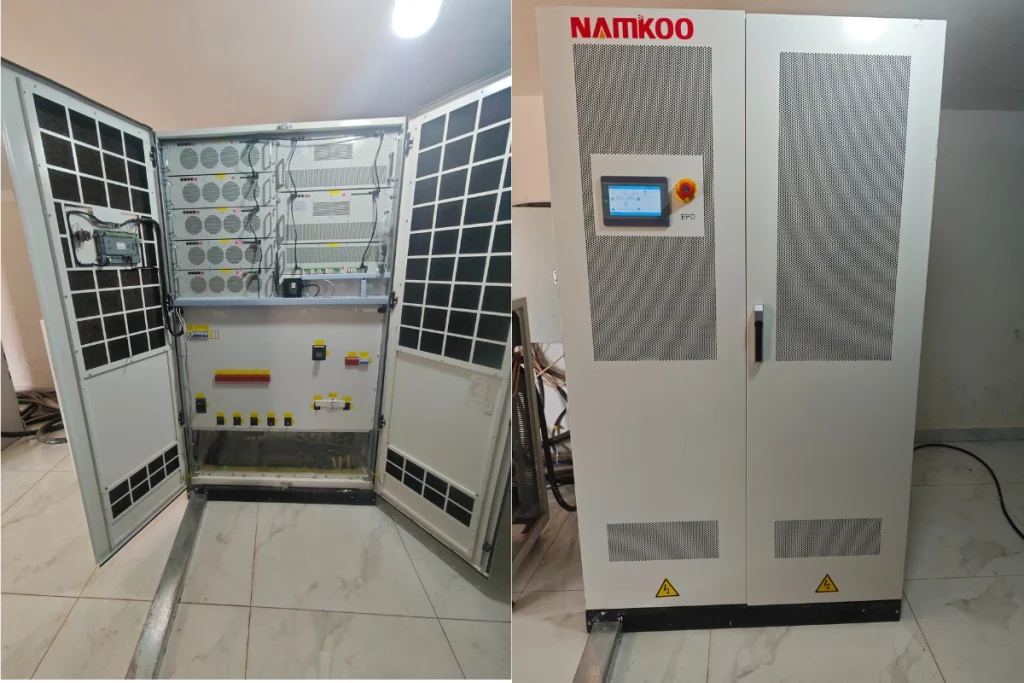
Most solar systems are grid-tied, meaning the inverter shuts down during a power outage for safety reasons. This prevents electricity from feeding back into the grid while utility crews are working.
Off-grid systems operate independently but require substantial battery capacity and often a backup generator. For most properties, the most practical solution is grid-tied solar combined with battery storage, typically managed by a hybrid inverter.
• If your roof is simple, unshaded, and cost is the priority, a string inverter is often sufficient.
• If shading or complex roof design is a concern, microinverters or power optimizers are better options.
• If backup power or future battery expansion is important, choose a hybrid inverter.
• For commercial or industrial sites, evaluate commercial solar inverters and power converters, including 3-phase models, based on load size and monitoring needs.
Always ask installers to explain why a specific inverter is recommended for your site. This discussion often reveals whether the system truly fits your energy goals.
A solar inverter does far more than convert electricity. It determines how efficiently your system operates, how well it handles shading, and how easily it adapts to future energy needs. From residential rooftops to large commercial facilities, selecting the right inverter is essential for long-term performance and return on investment.
With Namkoo’s inverter series and commercial power converter solutions, homeowners and businesses gain access to reliable, scalable, and future-ready solar technology. Investing in the right inverter today ensures stable power and smarter energy use for years to come.
Q1: Can I add a battery to my solar system later?
Yes. Choosing a hybrid inverter or a battery-compatible design makes future battery integration much easier.
Q2: Are commercial inverters more efficient than residential ones?
Commercial inverters are optimized for higher power levels and continuous operation. Efficiency remains high, especially under heavy loads.
Q3: How long does a solar inverter typically last?
Most quality inverters last 10 to 15 years. Commercial-grade inverters may last longer with proper maintenance and monitoring.
Discover LiFePO4 batteries with Namkoo. Learn about lifepo4 battery life, key benefits, and the advantages of battery energy storage system.


Discover how commercial and industrial energy storage for rural electrification empowers remote African communities with reliable, renewable energy solutions.
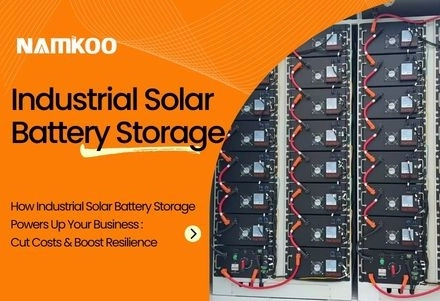
Discover how industrial solar battery storage enables. commercial facilities to cut costs and enhanceresilience through effective energy management and peak shaving.




No.26-2,1st Floor, Kuiqi Road West Extension, Nanzhuang Town,Chancheng District,Foshan City,Guangdong Province, China (528000)

Contact Number: +86 18826309307

Email: [email protected]