NAMKOO
 January 22, 2026
 210
210
As tourism continues to grow in Central Asia, reliable and sustainable energy has become a key factor for hotel operations. Tajikistan, known for its stunning mountain landscapes and growing eco-tourism sector, is attracting travelers who value comfort as much as sustainability. To meet these expectations, Namkoo recently completed and commissioned a 155kW / 300kWh hybrid solar system for an eco-friendly hotel in Tajikistan. The system went live last week and is already delivering stable, clean power to the property.
This project highlights how a hybrid solar system can transform hotel energy management by reducing costs, improving power reliability, and enhancing the guest experience.
The hotel required a dependable power solution to support daily operations, guest comfort, and sustainability goals. Grid power in the region can be unstable, which raises an important question many hotel owners ask: do solar panels work without electricity? On their own, standard grid-tied solar panels do not supply power during outages. However, when combined with battery storage and a hybrid solar inverter, the answer becomes yes.
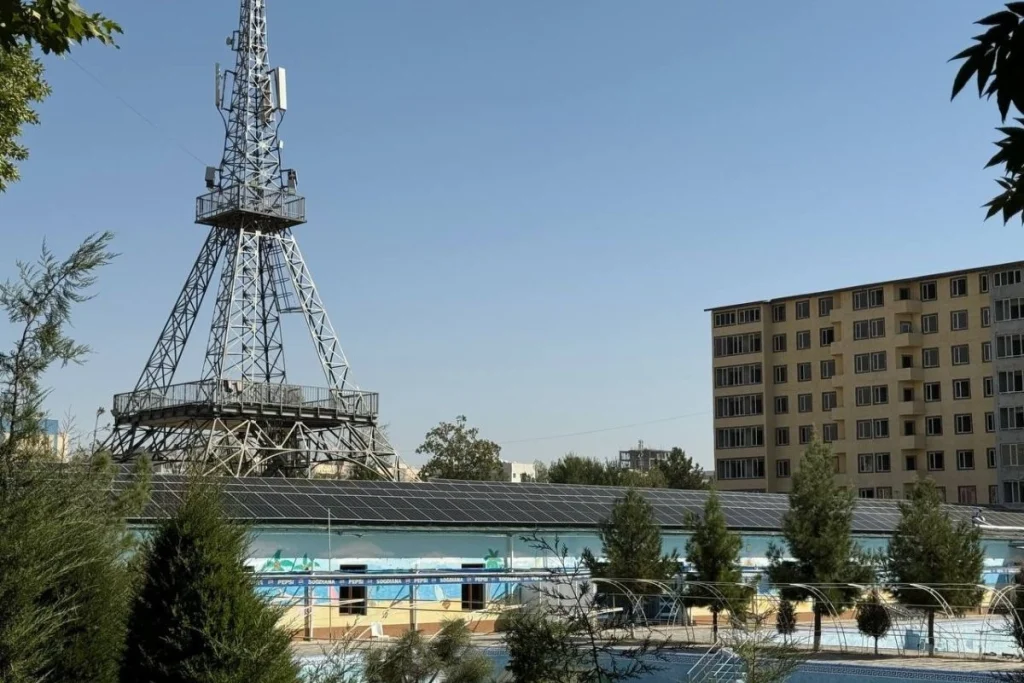
Namkoo designed a tailored hybrid solution that integrates solar generation, battery energy storage, and grid interaction.
• Total System Capacity: 155kW solar + 300kWh energy storage
• Hybrid Solar Inverters:
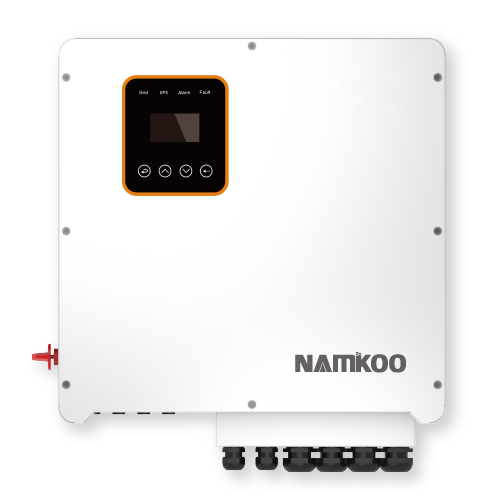
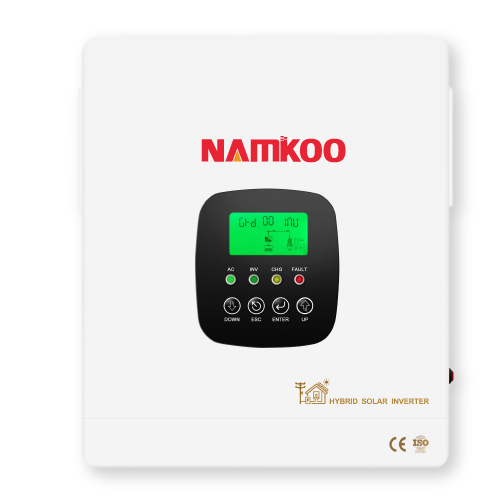
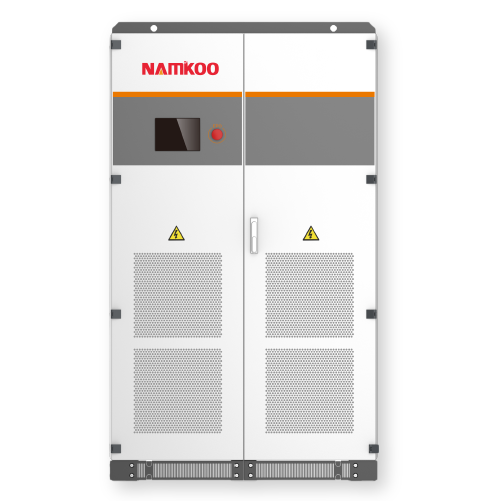
• 50kW + 40kW + 20kW hybrid inverter units
• Total inverter capacity: 160kW
• Solar Panels:
• Grade-A 560W monocrystalline solar panels
• Battery Storage:
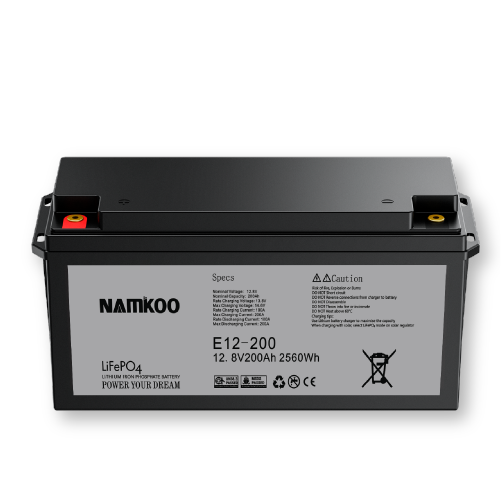
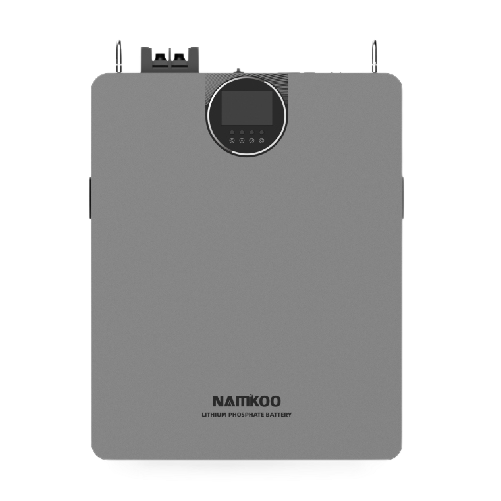
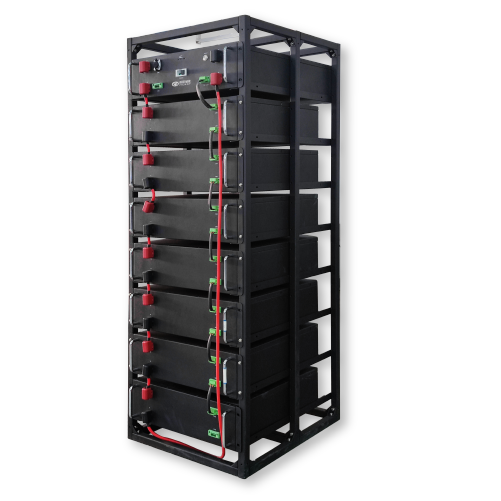
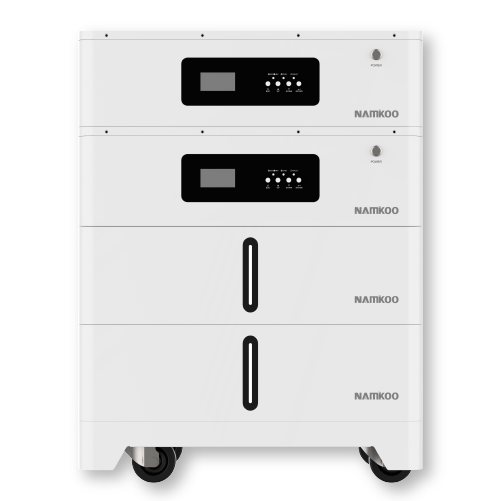
• Two groups of 150kWh lithium UPS battery packs
• System Type: Hybrid solar system with battery backup and grid support
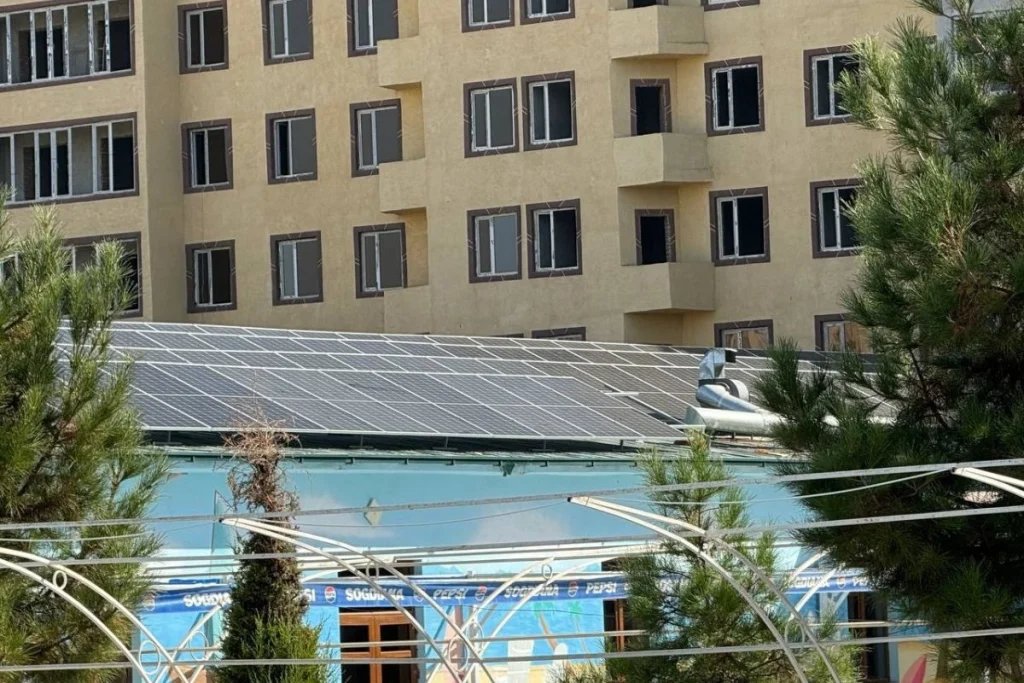
This configuration allows the hotel to generate solar power during the day, store excess energy, and release it at night or during grid outages.
Hotels operate around the clock. Any interruption in power can directly impact guest satisfaction, online reviews, and repeat bookings. A hybrid solar power inverter plays a critical role in ensuring uninterrupted electricity.
With a hybrid solar inverter, the system automatically switches between solar, battery, and grid power. Even during grid failures, critical hotel loads such as lighting, air conditioning, elevators, Wi-Fi, and kitchen equipment continue to operate smoothly. This reliability significantly reduces customer complaints and guest churn caused by power outages.
Electricity is a major operational expense for hotels. By using solar energy during the day and battery power during peak tariff hours, the hotel dramatically reduces monthly electricity bills. Over time, these savings contribute to a faster return on investment.
Many property owners ask, do solar panels work without electricity? The key lies in energy storage. With lithium batteries and a hybrid solar inverter, solar power is available even when the grid is down. This makes the hybrid solar system far more practical than a traditional grid-tied solution.
Eco-friendly hotels attract environmentally conscious travelers. Using clean solar energy helps reduce carbon emissions while strengthening the hotel’s green brand image. Sustainability is no longer optional in hospitality; it is a competitive advantage.
In many regions, governments offer tax incentives, subsidies, or depreciation benefits for solar installations. These incentives further improve the financial performance of hybrid solar systems for hotels and resorts.
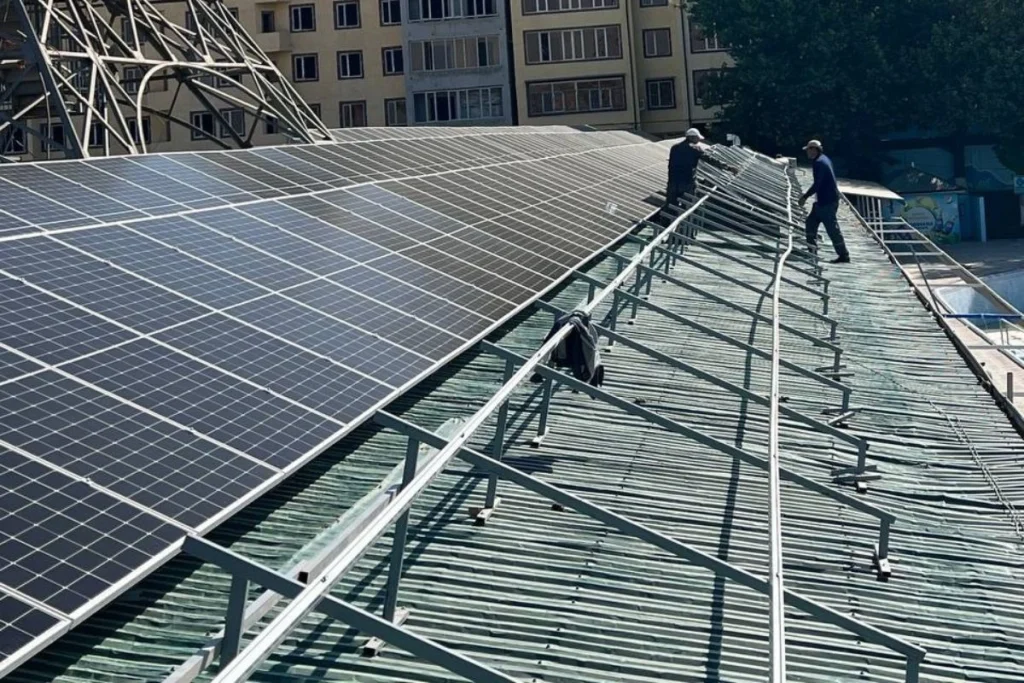
Namkoo provided a complete solution, from system design to equipment supply and commissioning. Our hybrid inverters and lithium battery systems are designed for commercial applications that demand high reliability and long service life.
The battery system used in this project is part of Namkoo’s advanced energy storage portfolio, engineered for stable performance, long cycle life, and safe operation in demanding environments. You can explore more of our commercial and industrial energy storage solutions here:
👉 https://www.namkoopower.com/product-category/energy-storage-system/
As Namkoo continues expanding across Asian markets, projects like this eco-friendly hotel in Tajikistan demonstrate how hybrid solar systems can support sustainable tourism and local economic development.
This successful installation is another milestone for Namkoo in delivering reliable solar-plus-storage solutions. As electricity prices rise and grid stability remains uncertain in many regions, hybrid solar systems are becoming the preferred choice for hotels, resorts, and commercial facilities.
We look forward to supporting more hospitality partners across Asia with customized solar and energy storage solutions that balance performance, cost, and sustainability.
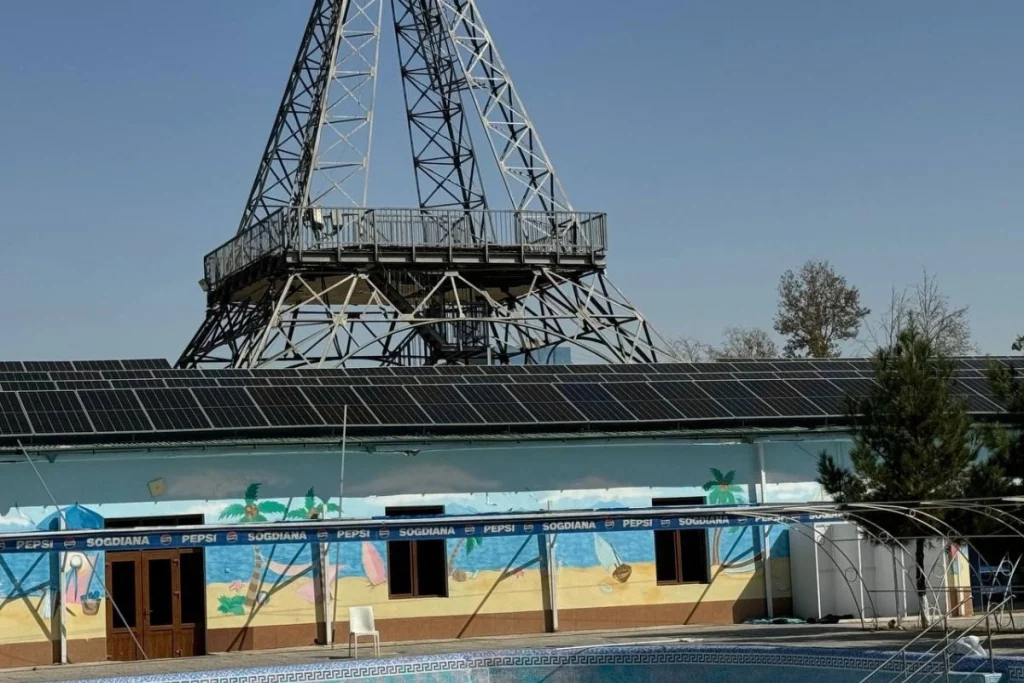
A hybrid solar system combines solar panels, battery storage, and grid power. It allows users to store excess solar energy and use it when solar production is low or during power outages.
On their own, solar panels do not supply power during outages. However, with batteries and a hybrid solar inverter, solar energy can power your building even when the grid is unavailable.
Hotels require uninterrupted power. Hybrid systems provide backup energy, reduce electricity costs, and improve guest satisfaction by ensuring stable power at all times.
A hybrid solar power inverter manages energy flow between solar panels, batteries, the grid, and hotel loads. It ensures seamless switching and efficient energy use.
Yes. Namkoo provides customized hybrid solar and energy storage solutions for hotels, factories, supermarkets, and other commercial and industrial applications.
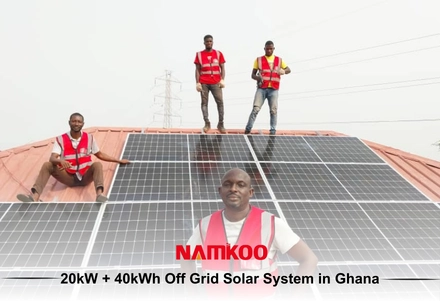
Namkoo completed a 20kW off-grid inverter for home project in Ghana using 48V lithium batteries to deliver reliable solar power and stable home energy.


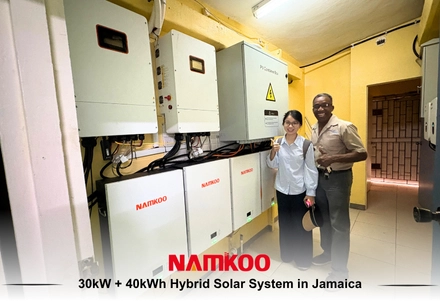
Namkoo Power delivers 30kW+40kWh solar battery bank systems for Jamaica clinics, cutting energy costs and ensuring reliable, uninterrupted medical power.
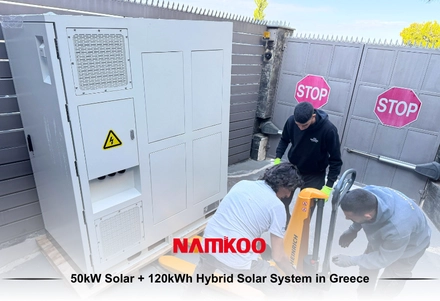
Namkoo delivers a 50kW/100kWh hybrid solar energy storage system for Greek villas, providing reliable power and efficient solar utilization.




No.26-2,1st Floor, Kuiqi Road West Extension, Nanzhuang Town,Chancheng District,Foshan City,Guangdong Province, China (528000)

Contact Number: +86 18826309307

Email: [email protected]