NAMKOO
 December 19, 2025
 338
338
Living off the grid is more than a trend; it’s a lifestyle choice. It offers independence from traditional power sources.
For those in remote areas, off-grid electricity solutions are essential. They provide power where conventional grids can’t reach.
Solar power, wind turbines, and micro-hydro systems are popular options. Each has unique benefits and challenges.
Advancements in off-grid technology make sustainable living more accessible. Innovations in solar battery backup and energy management are key.
This guide explores off-grid electricity options for remote living. Discover how to harness off-grid power solutions effectively.
Off-grid electricity refers to producing energy independently of public utilities. It means living without connections to local power grids.
This approach relies on personal energy sources. Common options include solar, wind, and hydropower systems.
Off-grid solutions cater to areas without access to traditional grids. They also appeal to those seeking energy independence.
Key features of off-grid electricity include:
• Self-sufficiency in energy production
• Utilization of renewable energy sources
• Minimal reliance on fossil fuels
The goal is to generate, store, and use energy independently. It’s crucial for those in remote locations and eco-conscious individuals.
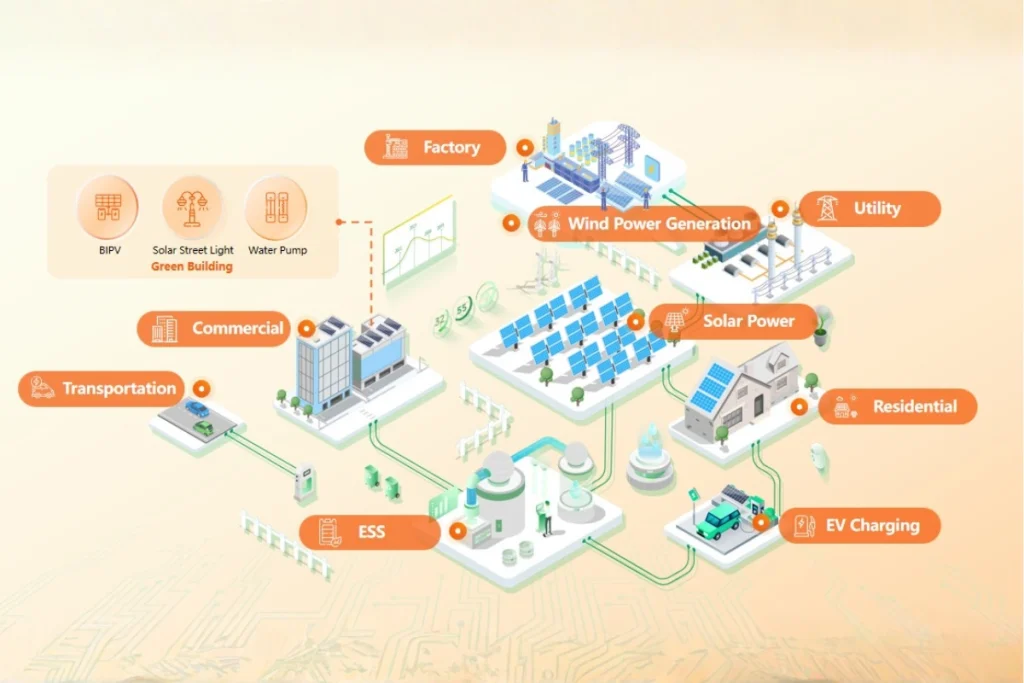
Choosing off-grid power solutions offers several advantages, especially for those in remote areas. Independence from utility companies provides security against rising costs and outages.
Off-grid systems often utilize renewable energy, reducing environmental impact. This aligns with sustainable living goals and helps decrease carbon footprints.
With advances in technology, these systems have become more efficient and accessible. Smart integrations allow better energy management, maximizing their efficiency and convenience.
Consider the benefits of off-grid solutions:
• Energy Independence: Freedom from utility companies and power lines
• Environmental Impact: Lower carbon emissions with renewable energy
• Cost Savings: Potential long-term financial benefits despite initial setup costs
These solutions offer a pathway to a more sustainable, self-reliant lifestyle. Whether for remote living or eco-conscious urban setups, off-grid power systems present compelling advantages.
Living off the grid requires effective and reliable electricity solutions. Various off-grid options cater to diverse needs and conditions.
Solar power remains the most popular choice, harnessing the sun’s energy for sustainable power. It’s ideal for sunny climates with long daylight hours.
Wind power is another viable option, especially in regions with consistent wind conditions. Small-scale wind turbines can efficiently generate electricity independently.
For properties near water sources, micro-hydro systems can capture energy from flowing water. This solution is effective for continuous power generation.
Combining multiple energy sources often results in the best reliability. Hybrid systems can ensure energy availability even when one source is insufficient.
Common off-grid electricity options include:
• Solar Power: Harnesses sunlight, perfect for sunny environments
• Wind Power: Utilizes wind turbines for areas with strong winds
• Micro-Hydro: Captures energy from running water on suitable properties
• Hybrid Systems: Combines different sources for best reliability
These options offer flexibility, allowing customization based on environmental factors. Investing in diverse solutions provides energy security and independence.
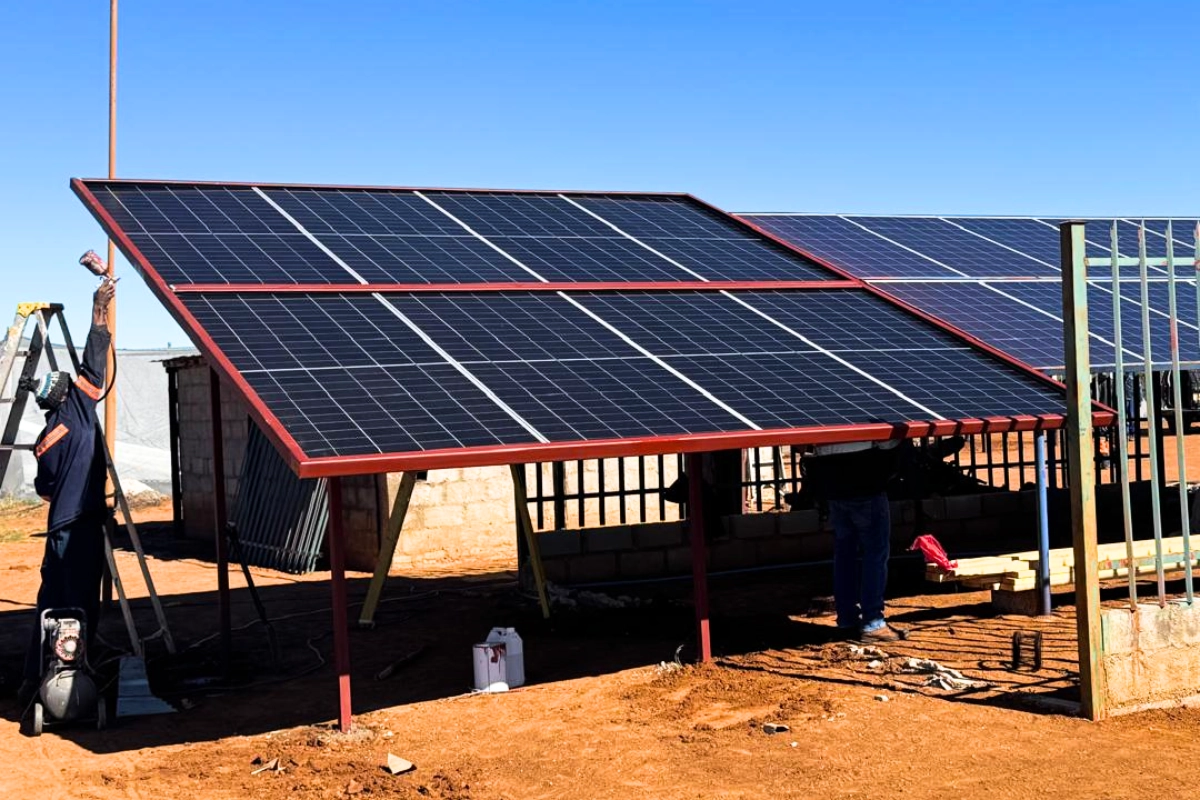
Solar power is the frontrunner in off-grid electricity. It provides a renewable and sustainable energy source for many locations.
Recent advances have made solar panels more efficient and affordable. This accessibility boosts their popularity for both residential and commercial use.
One advantage of solar systems is their scalability. Users can start small and expand their setups as energy needs grow.
Key benefits of solar power include:
• Sustainability: A clean, renewable energy source
• Scalability: Easily expandable as energy needs increase
• Low Maintenance: Solar panels require minimal upkeep
Solar solutions are integral to off-grid living, offering a reliable and eco-friendly energy option.
Wind and micro-hydro solutions provide alternatives where solar power is less effective. These technologies harness natural forces to generate clean energy.
Wind power is viable in areas with strong, consistent winds. Small turbines can be installed to capture this energy effectively.
Micro-hydro systems are perfect for properties near flowing water sources. They provide a continuous power supply in suitable conditions.
Benefits of wind and micro-hydro power include:
• Reliability: Consistent energy from natural forces
• Sustainability: Renewable and eco-friendly
•Cost-Effective: Low long-term operational costs
These options complement solar power, creating a diverse off-grid electricity solution for varying climates and terrains.
Backup power systems are essential for off-grid reliability. They provide energy when primary sources are unavailable.
Generators offer a dependable solution during low solar or wind conditions. They ensure continuous power during extended cloudy or windless days.
Hybrid systems combine multiple energy sources. By integrating solar, wind, or micro-hydro, these setups maximize energy availability.
Advantages of backup systems include:
• Reliability: Ensures power availability in all weather conditions
• Versatility: Supports hybrid configurations
•Safety Net: Provides emergency power during shortages
Investing in backup systems assures energy security and peace of mind for off-grid living.
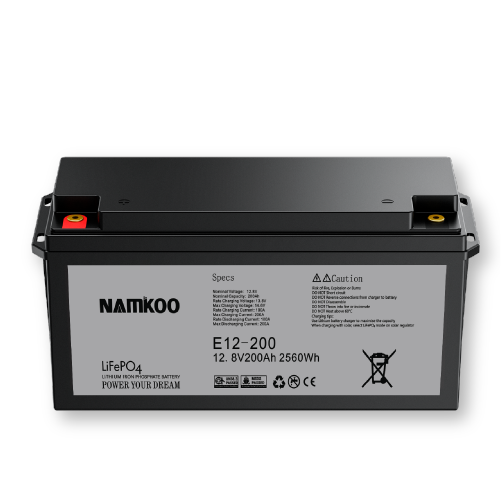
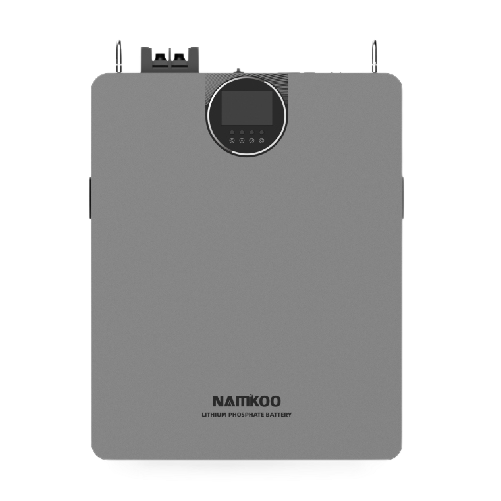
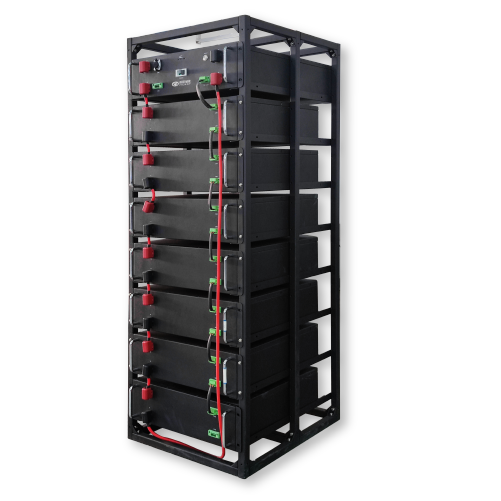
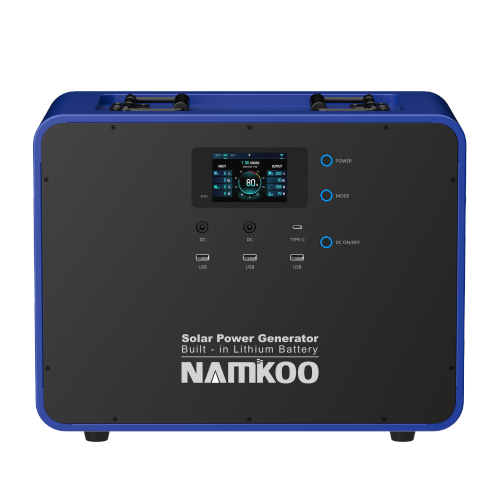
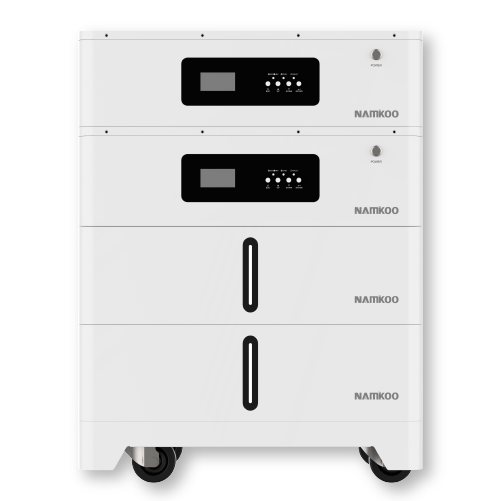
Battery storage is a cornerstone of off-grid electricity solutions. It stores energy generated during peak production periods for later use. This ensures power availability even when generation falls short.
Managing this stored energy efficiently is crucial. Effective energy management maximizes resource use and minimizes waste. Integrated systems track usage and optimize consumption in real-time.
Key components of energy management include:
• Battery Storage Solutions: Stores energy for non-productive times
• Smart Monitoring Systems: Tracks usage and efficiency
•Optimized Energy Distribution: Ensures balanced energy flow
By investing in advanced storage and management systems, off-grid living becomes more reliable and self-sufficient. These technologies help maintain a steady power supply, aiding sustainable living.
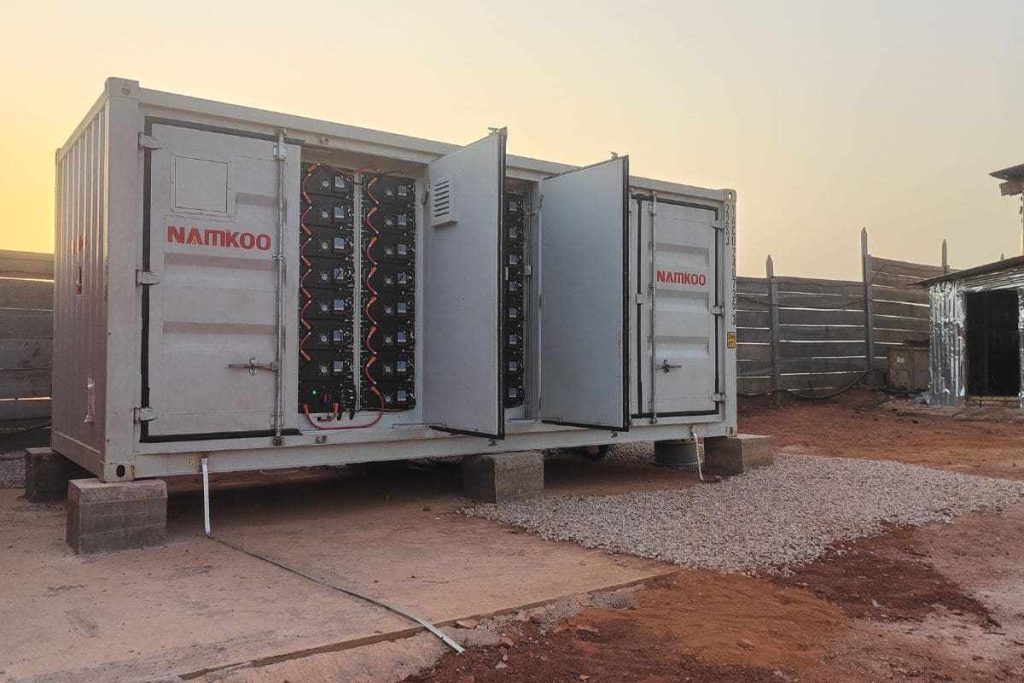
Transitioning to off-grid energy starts with thorough planning. Assessing your energy needs is the first vital step. Consider current consumption and future requirements. Identify potential energy sources like solar or wind.
Careful site evaluation ensures optimal system placement. This impacts efficiency and effectiveness. Factors such as sunlight exposure and wind patterns play crucial roles. Tailor solutions to your specific locati0n for best results.
Selecting components involves choosing reliable, proven technology. This includes solar panels, wind turbines, and storage systems. Quality parts minimize maintenance and prolong system lifespan, ensuring consistent power supply.
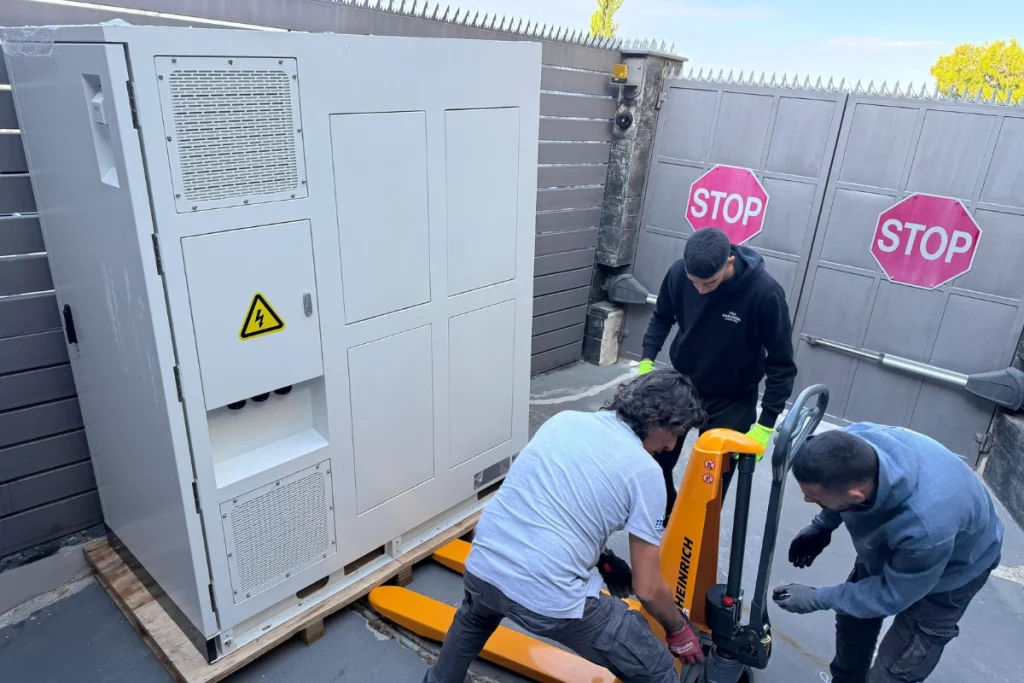
Successful installation hinges on professional expertise. Hiring experienced installers reduces installation errors. Professionals configure systems optimally, ensuring safety and maximizing output.
• Energy Assessment: Understand your consumption
• Site Evaluation: Analyze environmental factors
• Quality Components: Choose reliable technology
•Professional Installation: Ensure proper setup
Living off the grid presents unique challenges. One primary concern is system maintenance. Regular upkeep is crucial for efficient operation. Spare parts and technical expertise may be required periodically.
Weather dependency is another factor to consider. Solar panels and wind turbines rely on natural conditions. These variables can affect power availability. Having a backup plan, like generators, is wise for emergencies.
Financial considerations also play a role. Initial setup costs can be high. However, long-term savings often offset these expenses. Additionally, government incentives can alleviate upfront financial burdens, making off-grid solutions more accessible.
• Maintenance Needs: Regular upkeep required
• Weather Dependence: Variability impacts energy
•Financial Investment: Higher initial costs
Maximizing efficiency is vital for off-grid living. Proper energy use reduces waste and prolongs system life. Simple changes can lead to significant improvements in sustainability.
Consider implementing these energy-saving measures. Each contributes to more efficient energy use, helping you live sustainably without sacrificing comfort. Adapt these tips to suit your unique needs and environment.
• Energy Audits: Analyze and optimize usage
• LED Lighting: Reduce electricity consumption
• Efficient Appliances: Choose energy-saving models
•Insulation Improvements: Keep temperature stable
The future of off-grid technology is promising and exciting. Constant advancements are transforming how people access energy in remote areas. New innovations make these solutions more efficient and accessible to the masses.
Expect numerous benefits from future off-grid solutions. These innovations will enhance reliability and sustainability while reducing environmental impact. The integration of technologies will create seamless and smarter systems.
• Improved Storage: Longer-lasting and more efficient batteries
• Smart Grids: Enhanced energy management
• Eco-Friendly Materials: Reduced environmental footprint
•Modular Systems: Easy upgrades and adaptability
Choosing off-grid electricity is a personal decision. It depends on individual needs and environmental goals. This lifestyle offers independence from utility companies and reduces carbon footprints.
Consider your resources, locati0n, and long-term vision. Off-grid solutions can meet energy needs while promoting sustainability. Reflect on your readiness for this rewarding, yet challenging, journey towards energy independence.
Off-grid electricity systems operate independently from public utility grids and rely on self-generated power. Grid-tied systems remain connected to the utility grid and typically do not include battery storage for full autonomy.
Power needs depend on household size, appliance usage, and lifestyle. A detailed energy audit helps determine the right system size, including solar panels, batteries, and backup solutions.
Yes, when properly designed. Reliable off-grid systems combine renewable generation, battery storage, and backup power such as generators or hybrid configurations to ensure continuous electricity in all seasons.
Most modern lithium batteries last 10 to 15 years, depending on usage, depth of discharge, and maintenance. Proper energy management can significantly extend battery life.
Initial installation costs can be higher than grid connections, especially in remote areas. However, long-term savings from eliminated utility bills and reduced fuel use often outweigh the upfront investment.
Yes. Well-designed off-grid systems can support refrigerators, air conditioners, pumps, communication devices, and even small commercial operations without disruption.
Explore top Chinese solar power inverters, including Namkoo’s on-grid and off-grid solutions built for efficiency and reliability.


Learn why a pure sine wave inverter is the best choice for solar systems. Discover benefits, use cases, and how Namkoo provides reliable inverter solutions.
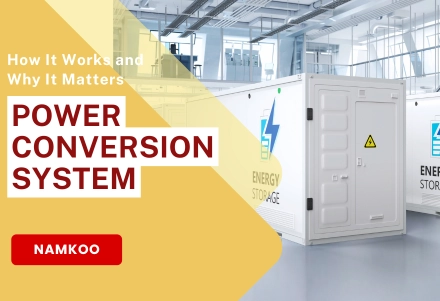
Power Conversion System convert energy between storage and grids. Learn key principles, peak-shaving applications, and how Namkoo systems cut energy costs.




No.26-2,1st Floor, Kuiqi Road West Extension, Nanzhuang Town,Chancheng District,Foshan City,Guangdong Province, China (528000)

Contact Number: +86 18826309307

Email: [email protected]