NAMKOO
 December 15, 2025
 248
248
In today’s fast-moving commercial environment, energy efficiency and cost control are no longer optional. Rising electricity prices, grid instability, and sustainability targets are pushing businesses to rethink how they use and manage power.
Commercial energy storage systems have become a proven solution. By storing electricity and releasing it when needed most, these systems help businesses reduce operating costs, improve power reliability, and support long-term sustainability goals.
This article explores how commercial energy storage systems work, what influences their cost, and how companies can achieve real financial returns. We also highlight how Namkoo’s commercial energy storage systems are helping businesses deploy reliable, scalable energy solutions worldwide.
Commercial energy storage systems are designed to store electrical energy for use in commercial and industrial applications. Energy is typically stored during off-peak hours or when on-site solar generation exceeds demand. It is then discharged during peak pricing periods or during grid outages.
A typical system includes several key components:
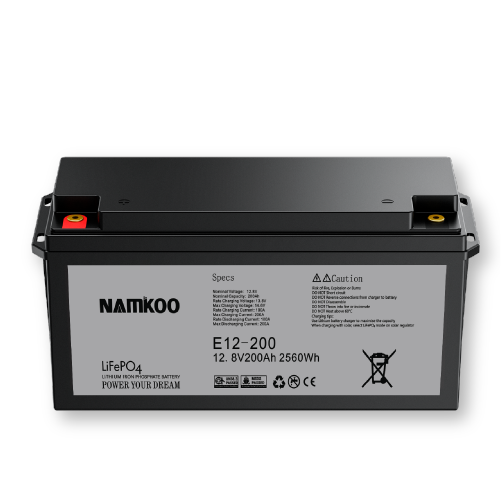
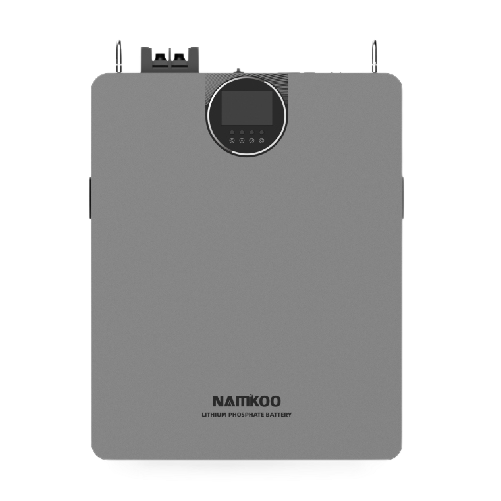
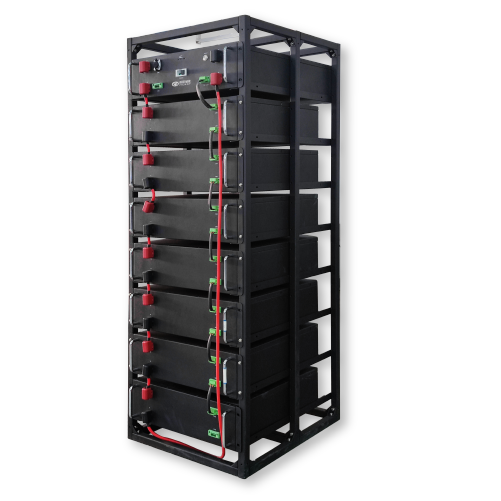
• Battery units that store energy
• Power conversion systems (PCS) that manage energy flow
• Energy management software that optimizes charging and discharging
Together, these components allow businesses to better control when and how electricity is used.
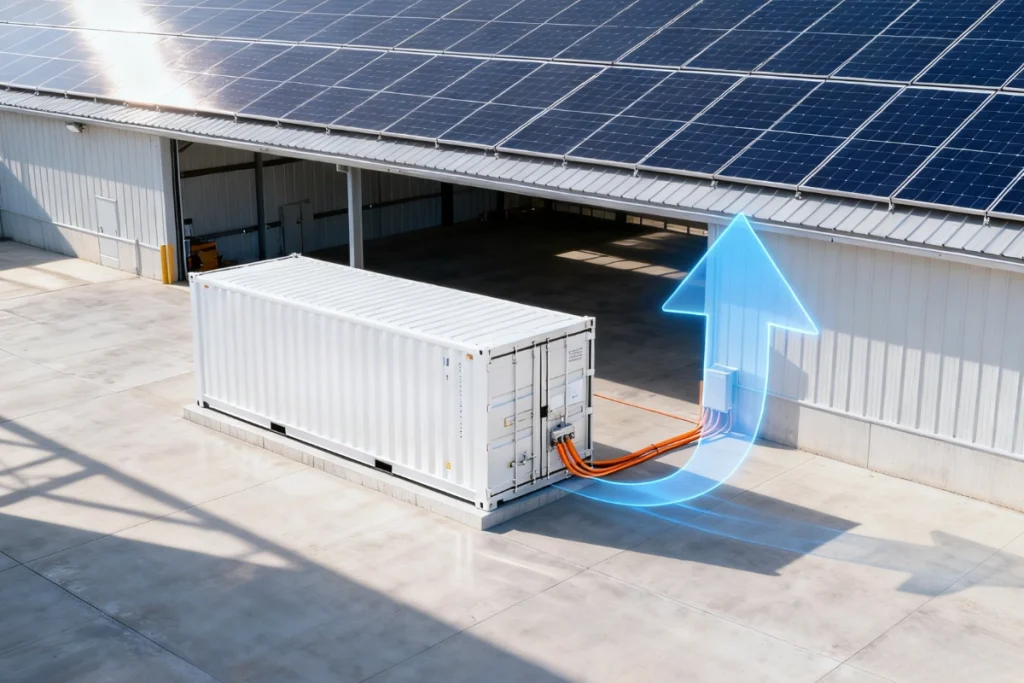
Modern systems are highly scalable. They can serve small commercial facilities, large factories, retail centers, supermarkets, and logistics hubs. This flexibility makes commercial energy storage an essential part of modern energy strategies.
There is no one-size-fits-all solution in energy storage. Different technologies serve different operational goals.
Lithium-ion batteries are the most widely used technology in commercial energy storage systems today. They offer high energy density, fast response times, and excellent efficiency. These systems are ideal for peak shaving, load shifting, and backup power.
Flow batteries are suitable for long-duration energy storage. Their design allows independent scaling of power and capacity, making them attractive for large industrial applications with extended discharge requirements.
• Compressed Air Energy Storage (CAES) uses compressed air to store energy at scale
• Flywheel systems provide rapid response and high cycle life for short-duration needs
Each technology serves specific use cases, depending on energy demand, space availability, and operational priorities.
Commercial energy storage systems deliver value well beyond simple energy savings.
By storing electricity when rates are low and discharging during peak periods, businesses can significantly reduce demand charges and overall electricity bills.
Battery storage provides instant backup power during grid outages. This helps prevent downtime, protects sensitive equipment, and ensures business continuity.
When paired with solar generation, storage systems maximize self-consumption. Excess solar energy is stored instead of exported at low feed-in tariffs.
Energy storage helps reduce carbon emissions and supports corporate sustainability targets. It also helps companies meet local energy and environmental regulations.
Commercial energy storage systems operate through a coordinated process:
• Energy is stored when demand is low or solar generation is high
• Energy is monitored and managed by intelligent control systems
• Stored energy is discharged during peak demand or outages
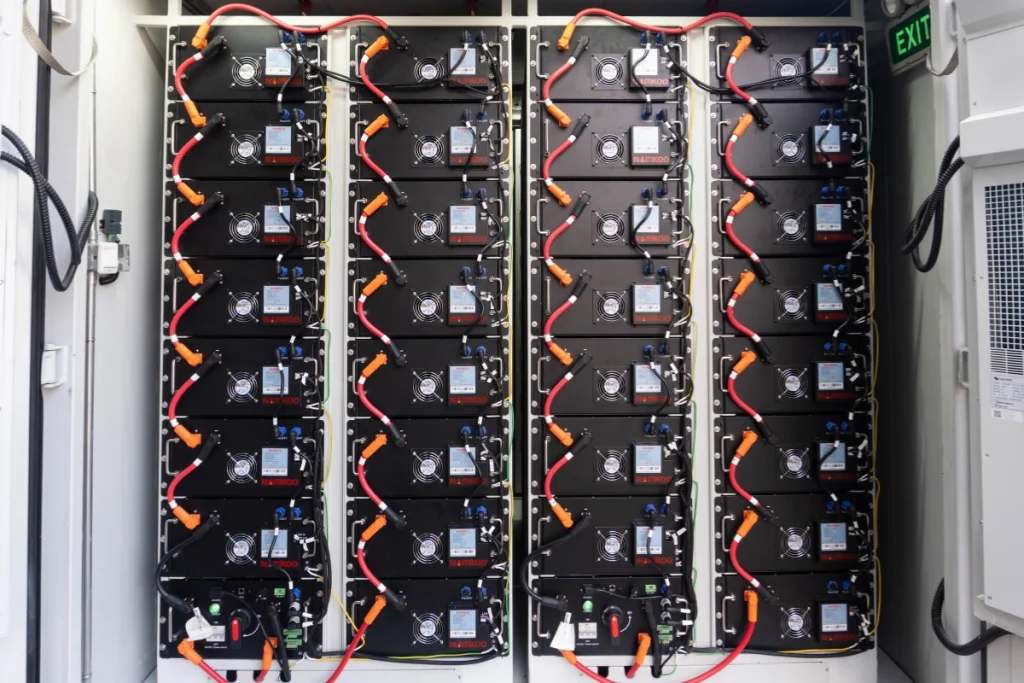
Batteries store energy in chemical form. Inverters and PCS convert this energy into usable AC power for commercial facilities. Advanced energy management systems continuously monitor performance to ensure efficiency and system longevity.
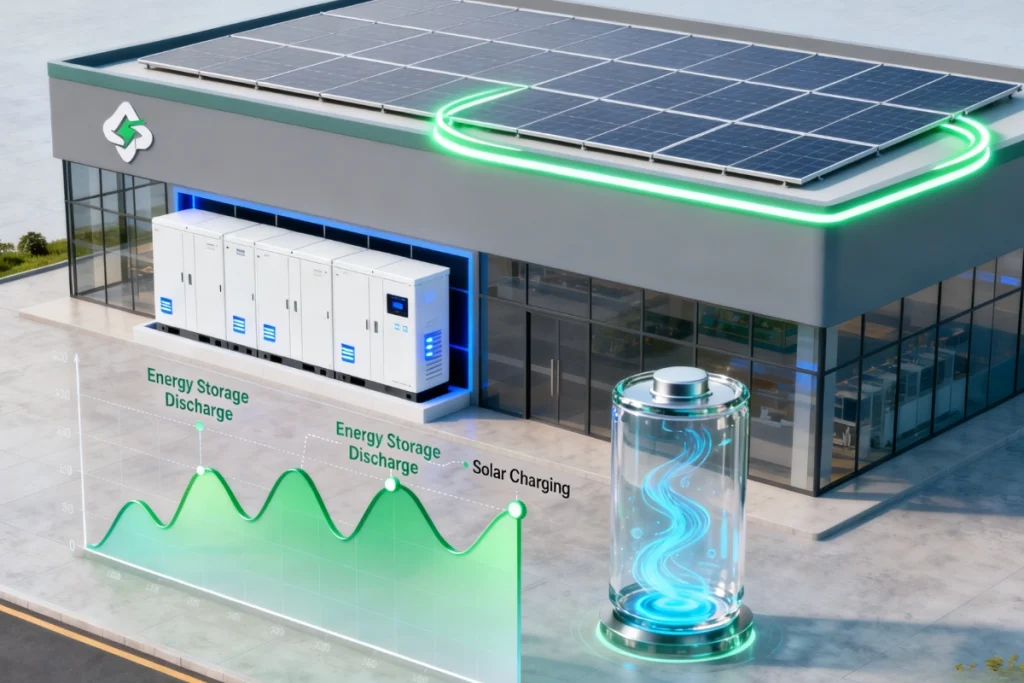
Several factors influence the cost of commercial energy storage systems:
• Battery technology, with lithium-ion systems typically costing more upfront
• System capacity, where larger systems require higher investment
• Installation complexity, including electrical upgrades and site conditions
• Control and monitoring features, which add intelligence and flexibility
While upfront costs can be significant, long-term savings often outweigh the initial investment.
Commercial energy storage systems deliver measurable financial benefits over time.
By reducing peak demand charges, businesses can achieve immediate monthly savings.
Stored solar energy reduces reliance on grid power and increases energy independence.
Government incentives, rebates, and demand response programs further improve return on investment.
Many businesses report payback periods of five to eight years, followed by long-term operational savings.
To accelerate adoption, many regions offer financial support for energy storage projects:
• Government incentives and tax credits
• Utility rebates for demand reduction
• Flexible financing options such as leasing or energy-as-a-service models
These programs significantly lower the barrier to entry for commercial energy storage systems.
Commercial energy storage systems are already transforming industries:
• Supermarkets maintain refrigeration during outages
• Manufacturing facilities reduce downtime and energy costs,
• Retail centers pair storage with rooftop solar for predictable energy expenses
• Data centers improve resilience with instant backup power
These applications demonstrate how storage enhances both operational efficiency and sustainability.
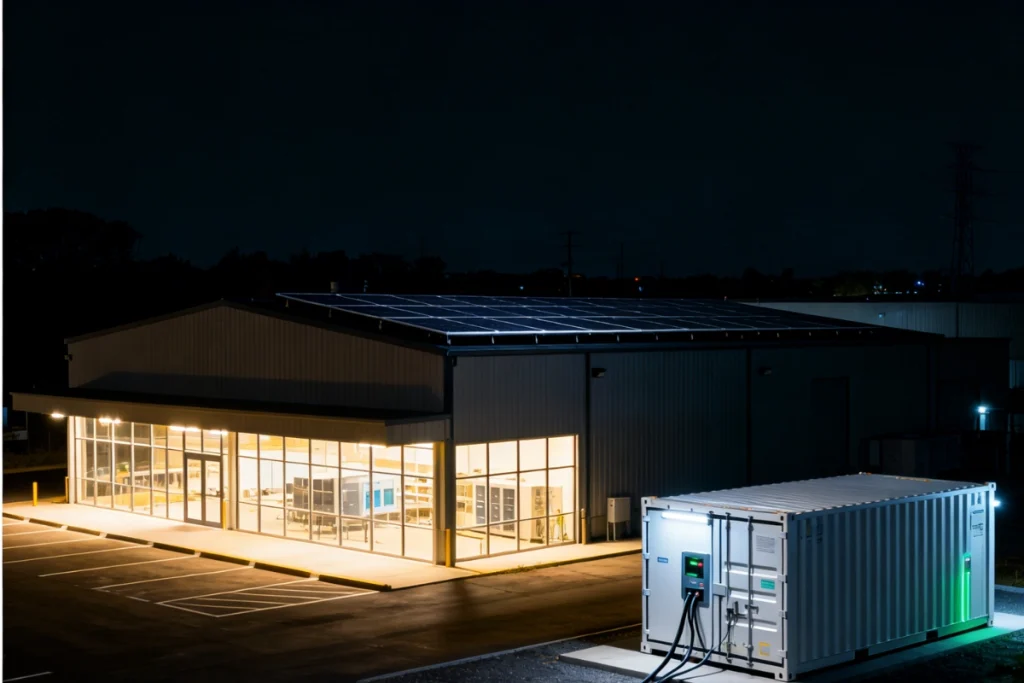
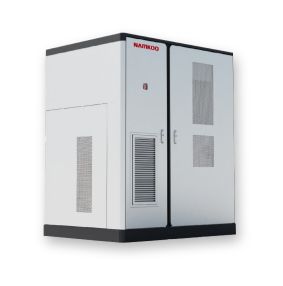
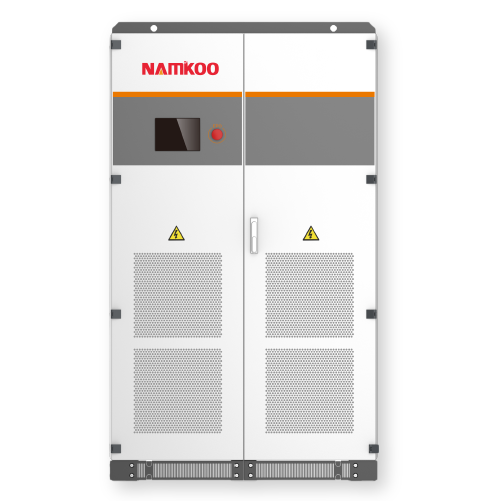
Namkoo provides advanced commercial energy storage systems designed for reliability, scalability, and ease of deployment. One example is Namkoo’s containerized battery energy storage solution, which integrates batteries, PCS, transformers, and intelligent control systems into a compact, factory-tested unit.
Learn more about Namkoo’s commercial solution here:
👉 https://www.namkoopower.com/products/10ft-container-solar-system-200kw-430kwh-battery-energy-storage/
Namkoo systems are engineered for fast installation, seamless integration with solar power, and long-term stable operation across commercial and industrial environments.
The commercial energy storage market continues to evolve rapidly. Advances in battery technology, digital energy management, and AI-driven optimization will further improve performance and reduce costs.
As renewable energy adoption grows, storage will play a central role in balancing supply and demand while supporting global sustainability goals.
For many businesses, the answer is yes. Commercial energy storage systems reduce energy costs, improve reliability, and support sustainability strategies. With incentives, declining battery prices, and proven technologies, storage has become a strategic investment rather than an experimental one.
By choosing the right system and partner, businesses can secure predictable energy costs and long-term operational resilience. Namkoo remains committed to helping commercial users achieve these goals through high-quality, integrated energy storage solutions.
What businesses benefit most from commercial energy storage systems?
Facilities with high energy usage, demand charges, or frequent outages benefit the most, including supermarkets, factories, and commercial centers.
How long do commercial battery systems last?
Most lithium-ion systems are designed for 10 to 15 years, depending on usage and maintenance.
Can energy storage work without solar panels?
Yes. Systems can store grid electricity for peak shaving and backup, even without on-site solar.
Are Namkoo commercial energy storage systems scalable?
Yes. Namkoo systems are modular and can be expanded as business energy needs grow.
Explore solar PV inverter types to maximize your solar energy. From string inverters to microinverters and hybrid inverters, find the best for your home.


Explore how lithium batteries are rechargeable and why they dominate modern solar systems. Learn from Namkoo Power, a professional solar battery manufacturer, about recharging technology, lifespan, and 2025 market prices.
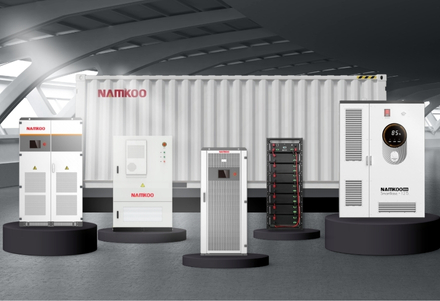
Learn how commercial battery energy storage systems help businesses cut energy costs, improve resilience, and support clean power. Free insights from Namkoo.




No.26-2,1st Floor, Kuiqi Road West Extension, Nanzhuang Town,Chancheng District,Foshan City,Guangdong Province, China (528000)

Contact Number: +86 18826309307

Email: [email protected]